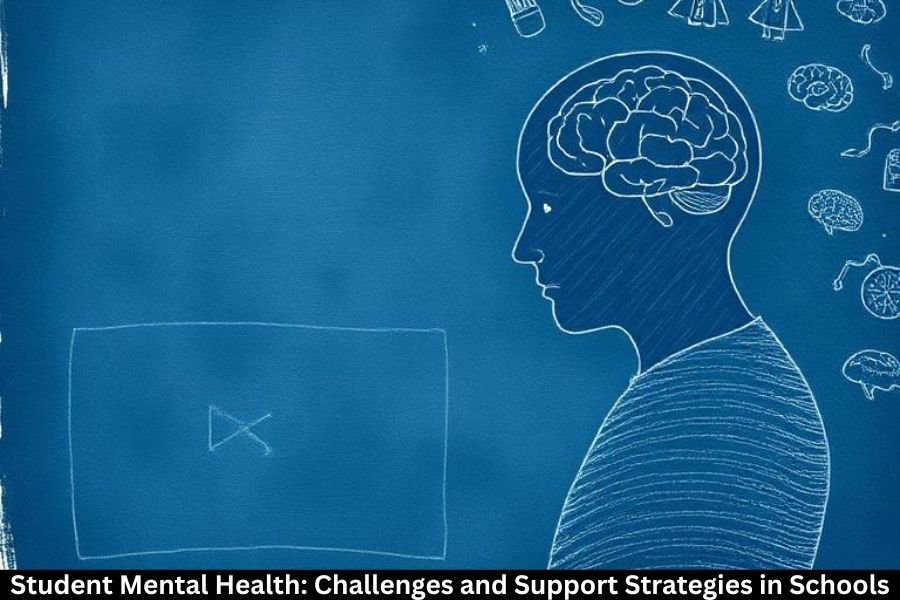
Student mental health is no longer a side topic in education—it’s front and center. Schools today are not just places where students learn math, science, and reading. They are environments where young minds grow, emotions develop, and identities take shape. When mental health is overlooked, learning suffers. When it’s supported, students thrive.
Why Student Mental Health Matters More Than Ever
Think of mental health as the foundation of a house. If the foundation is cracked, everything built on top becomes unstable. Students dealing with anxiety, depression, or chronic stress often struggle to focus, stay motivated, or even show up to school. With rising academic demands, constant digital exposure, and social pressures, students today are navigating challenges that previous generations never faced at this scale.
The Changing Landscape of Education and Well-Being
Education has evolved rapidly, especially in the last decade. Standardized testing, competitive college admissions, and online learning have reshaped student experiences. While these changes bring opportunities, they also increase stress. Schools now have a responsibility to balance academic achievement with emotional well-being.
Understanding Student Mental Health
What Is Mental Health in a School Context?
Mental health in schools refers to a student’s ability to manage emotions, cope with stress, build healthy relationships, and make responsible decisions—all while learning and growing.
Emotional, Psychological, and Social Well-Being Explained
- Emotional well-being involves understanding and managing feelings.
- Psychological well-being includes self-esteem, confidence, and resilience.
- Social well-being focuses on relationships, belonging, and communication.
When one area struggles, the others often follow.
Common Mental Health Conditions Among Students
Some of the most common mental health issues affecting students include anxiety disorders, depression, attention-deficit disorders, and stress-related conditions. These challenges can appear at any age and often go unnoticed without proper awareness and screening.
Major Mental Health Challenges Faced by Students
Academic Pressure and Performance Anxiety
Grades, exams, and expectations can feel like a never-ending race. Many students fear failure, not because they don’t want to learn, but because they worry about disappointing parents, teachers, or themselves. This pressure often leads to burnout and chronic anxiety.
Social Media, Technology, and Digital Stress
Social media can be a highlight reel that makes students feel like everyone else is doing better. Constant comparisons, online validation, and digital overload can harm self-esteem and sleep patterns, increasing stress and emotional exhaustion.
Bullying, Cyberbullying, and Peer Pressure
Bullying doesn’t always stop at the school gates anymore. Cyberbullying follows students home, making it harder to escape. The emotional impact can be severe, leading to isolation, fear, and depression.
Family Issues and Socioeconomic Stress
Problems at home—such as financial hardship, divorce, or lack of support—can deeply affect a student’s mental health. Schools often become the only stable environment these students have.
Identity, Self-Esteem, and Adolescence
Adolescence is already a time of change and confusion. Questions about identity, body image, and belonging can overwhelm students, especially if they feel misunderstood or unsupported.
Warning Signs and Red Flags Schools Should Not Ignore
Behavioral Changes in the Classroom
Sudden changes like withdrawal, aggression, declining grades, or frequent absences can signal emotional distress.
Emotional and Physical Symptoms
Headaches, stomachaches, irritability, sadness, or extreme mood swings are often physical expressions of emotional pain.
When Normal Stress Turns Into a Serious Concern
Stress is normal, but when it interferes with daily functioning or lasts for weeks, it’s time to take action.
The Role of Schools in Supporting Student Mental Health
Schools as Safe Spaces for Emotional Growth
Students spend a large portion of their lives in school. When schools foster safety, empathy, and understanding, students feel seen and supported.
Why Early Intervention Makes a Difference
Addressing mental health concerns early can prevent long-term problems. Early support often leads to better academic outcomes and healthier coping skills.
Effective Mental Health Support Strategies in Schools
School Counseling and Psychological Services
Access to trained counselors and psychologists gives students a trusted space to talk. These professionals play a key role in assessment, intervention, and crisis management.
Social and Emotional Learning (SEL) Programs
SEL programs teach students how to manage emotions, set goals, show empathy, and resolve conflicts. These life skills are just as important as academic knowledge.
Creating Inclusive and Supportive School Environments
A positive school climate promotes respect, diversity, and inclusion, helping students feel valued.
Anti-Bullying Policies and Student Voice
Clear policies and opportunities for students to speak up empower them and reduce harmful behaviors.
The Role of Teachers in Promoting Mental Well-Being
Teacher Awareness and Mental Health Literacy
Teachers don’t need to be therapists, but understanding mental health basics helps them recognize warning signs and respond with compassion.
Building Trusting Relationships With Students
A supportive teacher can make a world of difference. Sometimes, a simple “Are you okay?” opens the door to healing.
Parental and Community Involvement
Partnering With Parents for Student Well-Being
When schools and families work together, students benefit. Open communication ensures consistent support at home and school.
Community Mental Health Resources and Referrals
Partnerships with local mental health organizations expand the support network beyond school walls.
Addressing Stigma Around Mental Health in Schools
Breaking the Silence Through Education
Education reduces fear and misunderstanding. When students learn that mental health challenges are common and treatable, stigma fades.
Normalizing Conversations About Mental Health
Talking about mental health should feel as normal as talking about physical health. Open dialogue saves lives.
Technology and Mental Health Support
Digital Tools, Apps, and Online Counseling
Technology can also be part of the solution. Mental health apps and virtual counseling increase access to support.
Balancing Technology Use in Schools
Teaching healthy digital habits helps students avoid burnout and stay connected in positive ways.
Policy, Leadership, and Long-Term Change
School Policies That Support Mental Health
Policies that prioritize well-being—such as flexible discipline and mental health days—create healthier school cultures.
Training and Funding for Sustainable Programs
Long-term success requires investment in training, staff, and resources.
The Long-Term Benefits of Supporting Student Mental Health
Academic Success and Emotional Resilience
Students who feel supported perform better academically and develop resilience that lasts a lifetime.
Preparing Students for Life Beyond School
Mental health skills help students navigate adulthood, careers, and relationships with confidence.
Challenges in Implementing Mental Health Programs
Limited Resources and Staff Shortages
Many schools struggle with funding and access to professionals, making comprehensive support difficult.
Cultural and Systemic Barriers
Cultural beliefs and systemic inequalities can prevent students from seeking help.
The Future of Student Mental Health in Education
Emerging Trends and Holistic Approaches
The future points toward whole-child education that integrates mental, emotional, and academic development.
Building Emotionally Healthy Schools
When mental health becomes a priority, schools transform into places where students truly flourish.
Conclusion
Student mental health is not a luxury—it’s a necessity. Schools that invest in emotional well-being create stronger learners, healthier communities, and brighter futures. By recognizing challenges, reducing stigma, and implementing effective support strategies, schools can become powerful agents of positive change. When we support students’ minds, we empower their potential.
Frequently Asked Questions (FAQs)
1. Why is student mental health important in schools?
Because mental health directly affects learning, behavior, and overall well-being.
2. What are common mental health issues among students?
Anxiety, depression, stress, and attention-related challenges are among the most common.
3. How can schools support student mental health effectively?
Through counseling services, SEL programs, teacher training, and supportive policies.
4. What role do teachers play in student mental health?
Teachers help identify warning signs and create safe, supportive classrooms.
5. How can parents support school mental health efforts?
By maintaining open communication with schools and supporting their child at home.