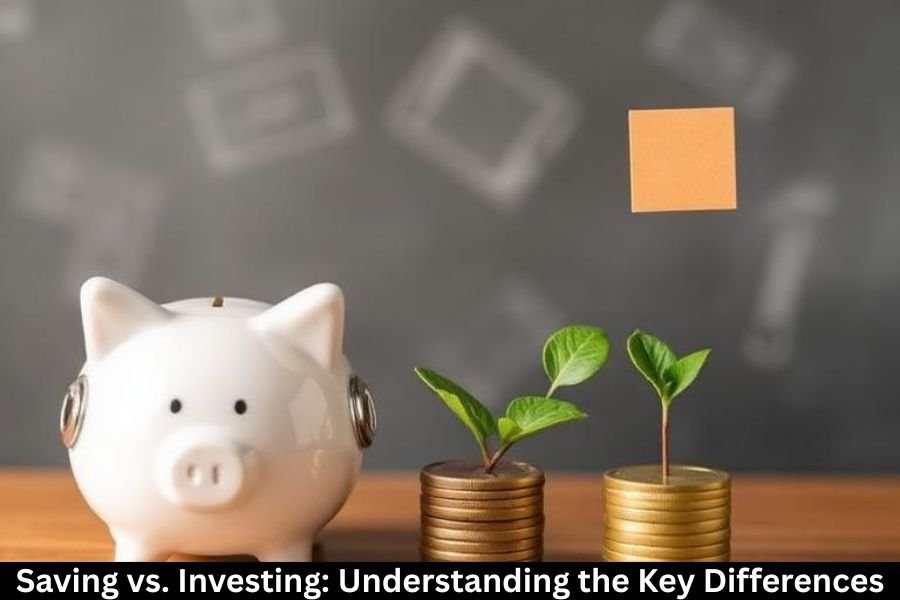
When it comes to building financial security, two words come up again and again: saving and investing. While they’re often used interchangeably, they serve very different purposes in a financial plan. Understanding the key differences between saving and investing can help you make smarter decisions with your money and move closer to your financial goals.
Let’s break it down in a simple, practical way.
What Is Saving?
Saving is the act of setting aside money for short-term needs and emergencies. It focuses on preserving your money rather than growing it significantly. Savings are usually kept in low-risk, easily accessible accounts.
Common Saving Options
- Savings accounts
- Checking accounts
- Money market accounts
- Certificates of deposit (CDs)
These options offer safety and liquidity, meaning your money is protected and available when you need it.
What Is Investing?
Investing involves putting money into assets with the goal of growing it over time. Unlike saving, investing comes with risk, but it also offers the potential for higher returns.
Common Investment Options
- Stocks
- Bonds
- Mutual funds
- Exchange-traded funds (ETFs)
- Real estate
Investments are typically used for long-term goals like retirement, wealth building, or funding major life milestones.
The Key Differences Between Saving and Investing
Risk Level
Saving is low risk. Your money is generally protected, especially in insured accounts. Investing carries varying levels of risk depending on the asset, as market values can rise and fall.
Potential Returns
Savings provide modest returns, often just enough to keep up with inflation. Investing offers higher potential returns over time, which can significantly increase wealth.
Time Horizon
Saving is best for short-term goals, such as emergency funds or upcoming expenses. Investing is designed for long-term goals, usually five years or more.
Liquidity
Savings are highly liquid, meaning you can access your money quickly. Investments may take time to convert to cash and can lose value if withdrawn during a downturn.
When Should You Save?
Saving is ideal when you need stability and easy access to funds. Common reasons to save include:
- Building an emergency fund
- Covering monthly expenses
- Saving for short-term goals like travel or a car
- Preparing for unexpected expenses
Financial experts often recommend having three to six months of living expenses saved.
When Should You Invest?
Investing is appropriate when you’re focusing on long-term growth and can tolerate some risk. Common investment goals include:
- Retirement planning
- Buying a home in the future
- Funding education
- Building long-term wealth
The longer your investment timeline, the more time you have to ride out market ups and downs.
How Inflation Affects Saving and Investing
Inflation reduces the purchasing power of money over time. Savings may lose value if interest rates don’t keep up with inflation. Investing helps combat inflation by offering the potential for returns that outpace rising costs.
This is one reason why relying solely on saving can limit long-term financial growth.
Balancing Saving and Investing
A strong financial plan includes both saving and investing. Saving provides safety and peace of mind, while investing drives growth.
A common approach is to:
- Build an emergency fund through saving
- Pay off high-interest debt
- Begin investing for long-term goals
This balance ensures both security and progress.
Understanding Your Risk Tolerance
Risk tolerance refers to how comfortable you are with market fluctuations. Some people prefer stability, while others are willing to accept risk for higher returns.
Your age, income, financial goals, and personal comfort level all influence how much you should save versus invest.
Common Myths About Saving and Investing
Investing Is Only for the Wealthy
Anyone can invest, even with small amounts, thanks to modern platforms and diversified funds.
Saving Is Always Safer
While saving is low risk, it may not protect your money from inflation over time.
You Must Choose One or the Other
Saving and investing work best together, not as replacements.
Tips for Getting Started
- Start saving early for emergencies
- Invest consistently, even in small amounts
- Diversify investments to manage risk
- Review and adjust your strategy as life changes
Consistency matters more than timing the market.
Conclusion
Saving and investing are both essential tools for financial success, but they serve different purposes. Saving offers security and quick access to money, while investing provides growth and long-term wealth potential. By understanding when to save, when to invest, and how to balance the two, you can build a financial strategy that supports both peace of mind and future prosperity.
FAQs
1. Is it better to save or invest first?
Start by saving an emergency fund, then begin investing for long-term goals.
2. Can I lose money by investing?
Yes, investing involves risk, but long-term strategies can help reduce volatility.
3. How much should I keep in savings?
Aim for three to six months of essential expenses.
4. Can I do both saving and investing at the same time?
Absolutely. A balanced approach is ideal for most people.
5. Do I need a lot of money to start investing?
No, many investment options allow you to start with small amounts.