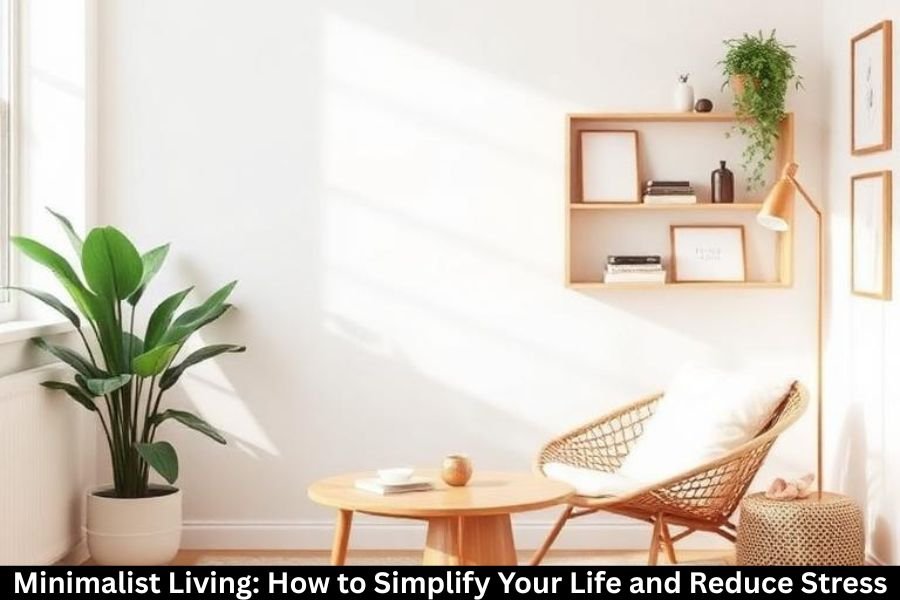
In a world that constantly tells us to buy more, do more, and be more, it’s no surprise that many people feel overwhelmed. Closets overflow, schedules are packed, and minds rarely rest. Minimalist living offers a refreshing alternative—a way to simplify your life, reduce stress, and focus on what truly matters.
Minimalism isn’t about living with nothing. It’s about living with intention. Let’s explore how adopting a minimalist lifestyle can bring clarity, calm, and balance into your everyday life.
What Is Minimalist Living?
Minimalist living is the practice of intentionally removing excess—physical, mental, and emotional—from your life so you can focus on what adds real value.
More Meaning, Less Clutter
Minimalism doesn’t mean deprivation. It means choosing quality over quantity and purpose over accumulation.
A Mindset, Not Just a Style
While often associated with clean spaces and simple design, minimalism is ultimately a mindset that influences how you spend your time, money, and energy.
Why Minimalism Reduces Stress
Stress often comes from overload.
Less Stuff, Fewer Decisions
Clutter creates visual and mental noise. Fewer possessions mean fewer decisions, less maintenance, and more peace.
Mental Clarity
When your environment is calm, your mind tends to follow. Minimalism helps reduce anxiety and overwhelm.
Decluttering Your Physical Space
Simplifying starts with your surroundings.
Start Small
Begin with one drawer, one shelf, or one room. Small wins build momentum.
Keep What You Use and Love
If an item doesn’t serve a purpose or bring joy, it may be time to let it go.
Create Functional Spaces
Organize what remains so everything has a home.
Simplifying Your Daily Routine
Minimalism goes beyond physical items.
Streamline Your Schedule
Overcommitment leads to burnout. Learn to say no to things that don’t align with your priorities.
Create Simple Morning and Evening Routines
Consistent routines reduce decision fatigue and set a peaceful rhythm for your day.
Digital Minimalism
Your digital life can be just as cluttered as your physical space.
Declutter Your Devices
Delete unused apps, organize files, and unsubscribe from unnecessary emails.
Limit Screen Time
Set boundaries around social media and notifications to reduce distraction and stress.
Mindful Spending and Financial Simplicity
Minimalism can transform your relationship with money.
Spend with Intention
Before buying, ask yourself if the item truly adds value to your life.
Focus on Experiences Over Things
Memories often bring more fulfillment than material possessions.
Minimalism and Mental Well-Being
A simplified life supports emotional health.
Reduce Mental Clutter
Let go of negative self-talk, unrealistic expectations, and unnecessary comparisons.
Practice Mindfulness
Living in the present moment aligns perfectly with minimalist values.
Minimalist Living at Work
You can apply minimalism to your professional life too.
Prioritize Important Tasks
Focus on what truly matters instead of multitasking constantly.
Create an Organized Workspace
A clean workspace boosts productivity and reduces stress.
Building Meaningful Relationships
Minimalism encourages deeper connections.
Quality Over Quantity
Focus on relationships that support and uplift you.
Set Healthy Boundaries
Protect your time and emotional energy.
Common Myths About Minimalism
Minimalism Is Extreme
Minimalism is flexible and personal. There’s no one-size-fits-all approach.
You Must Get Rid of Everything
Minimalism is about keeping what matters—not about empty spaces.
How to Maintain a Minimalist Lifestyle
Regular Check-Ins
Reevaluate your possessions, commitments, and habits periodically.
Stay Intentional
Ask yourself often: “Does this add value to my life?”
Challenges You May Face
Emotional Attachment to Items
It’s okay to let go gradually. Progress matters more than perfection.
Social Pressure
Not everyone will understand your choices—and that’s okay.
Conclusion
Minimalist living is about creating space—for peace, clarity, and purpose. By simplifying your environment, schedule, and mindset, you reduce stress and make room for what truly enriches your life.
You don’t need to overhaul everything overnight. Start small, stay intentional, and remember that a simpler life often leads to a more meaningful one.
Frequently Asked Questions (FAQs)
1. Is minimalist living expensive?
No. In fact, it often saves money by reducing unnecessary spending.
2. Do I have to get rid of sentimental items?
Not at all. Keep what holds genuine meaning for you.
3. Can minimalism work for families?
Yes. Minimalism can be adapted to fit any lifestyle, including families.
4. How long does it take to feel the benefits?
Many people notice reduced stress and clarity within weeks.
5. Is minimalism only about decluttering?
No. It’s also about simplifying routines, habits, and mental space.