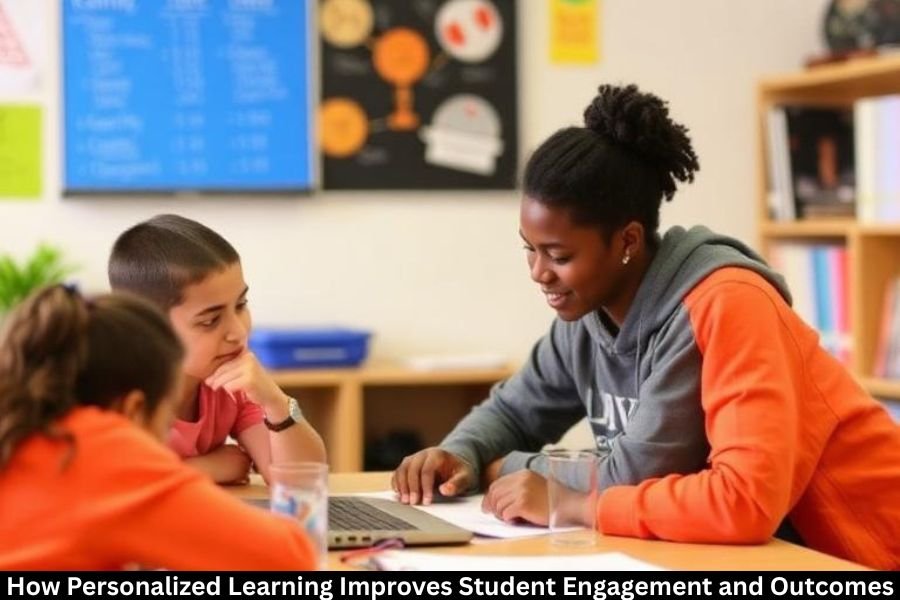
Education is not a one-size-fits-all experience. Every student learns differently, moves at a unique pace, and brings individual strengths and challenges into the classroom. Personalized learning embraces this reality—and that’s exactly why it’s transforming education.
What Is Personalized Learning?
Personalized learning is an instructional approach that tailors teaching methods, content, and pacing to meet individual student needs. Instead of forcing every student to follow the same path, personalized learning adapts to how each learner understands and engages with material.
Why Traditional One-Size-Fits-All Learning Falls Short
Traditional classrooms often teach to the “middle,” leaving some students bored and others overwhelmed. Personalized learning flips that model, ensuring no learner is left behind—or held back.
The Core Principles of Personalized Learning
Student-Centered Instruction
At the heart of personalized learning is the student. Lessons are designed around individual interests, abilities, and goals rather than rigid curricula.
Flexibility in Pace, Path, and Content
Some students need more time, others need more challenge. Personalized learning allows flexibility so students can progress when they’re ready.
Choice and Voice in Learning
When students have choices in how and what they learn, engagement skyrockets. Ownership creates motivation.
Understanding Student Engagement
What Does Student Engagement Really Mean?
Student engagement goes beyond participation. It includes emotional involvement, curiosity, effort, and a genuine interest in learning.
The Link Between Engagement and Academic Success
Engaged students attend class more consistently, complete assignments, and achieve better outcomes. Engagement is the engine that drives learning forward.
How Personalized Learning Boosts Student Engagement
Meeting Students Where They Are
Personalized learning starts with understanding each student’s current level. This prevents frustration and builds confidence from day one.
Increasing Motivation Through Ownership
When students set goals and track their progress, learning feels personal. Motivation grows because success feels achievable.
Making Learning Relevant and Meaningful
Connecting lessons to real-world interests helps students see the “why” behind learning—and that’s powerful.
The Impact of Personalized Learning on Academic Outcomes
Improved Academic Performance
Students learn better when instruction aligns with their needs. Personalized learning often leads to higher test scores and deeper understanding.
Better Knowledge Retention
Learning at the right pace improves retention. Students remember more because they truly understand the material.
Closing Learning Gaps
Personalized instruction identifies gaps early and addresses them before they widen.
Role of Technology in Personalized Learning
Adaptive Learning Tools and Platforms
Technology helps personalize instruction through adaptive software that adjusts in real time based on performance.
Data-Driven Instruction
Teachers use data to refine lessons, provide targeted support, and track progress accurately.
Balancing Technology and Human Interaction
Technology supports learning—but teachers remain essential guides, mentors, and motivators.
Personalized Learning Strategies in the Classroom
Differentiated Instruction
Teachers adjust content, process, and assessment methods to match student needs.
Individual Learning Plans
Personal goals and milestones help students take charge of their learning journey.
Project-Based and Competency-Based Learning
Hands-on projects and skill mastery keep students engaged and focused on real outcomes.
The Teacher’s Role in Personalized Learning
From Lecturer to Learning Coach
Teachers become facilitators who guide, support, and challenge students individually.
Building Strong Teacher-Student Relationships
Personalized learning thrives on trust. Strong relationships lead to better communication and support.
Benefits of Personalized Learning for Diverse Learners
Supporting Struggling Students
Extra support and targeted instruction help struggling learners build confidence and skills.
Challenging Advanced Learners
Advanced students move ahead without waiting, staying motivated and engaged.
Inclusive Education for All Students
Personalized learning creates equity by honoring differences instead of ignoring them.
Social and Emotional Benefits of Personalized Learning
Boosting Confidence and Self-Efficacy
Success at the right level builds belief in one’s abilities.
Reducing Stress and Anxiety
Learning without constant comparison reduces pressure and fear of failure.
Personalized Learning and Lifelong Skills
Critical Thinking and Problem-Solving
Students learn how to think—not just what to think.
Self-Directed and Independent Learning
Personalized learning prepares students to manage their own growth beyond school.
Challenges in Implementing Personalized Learning
Time, Training, and Resource Constraints
Schools need planning, training, and support to implement effectively.
Equity and Access Concerns
Ensuring equal access to technology and resources remains a challenge.
Overcoming Barriers to Personalized Learning
Professional Development for Educators
Training empowers teachers to personalize learning confidently.
School Leadership and Support
Strong leadership ensures alignment, funding, and long-term success.
The Future of Personalized Learning
Emerging Trends and Innovations
AI, analytics, and blended learning models continue to expand possibilities.
Personalized Learning in a Digital World
Future classrooms will be more adaptive, inclusive, and student-driven.
Conclusion
Personalized learning transforms education by putting students first. By adapting instruction to individual needs, it increases engagement, improves outcomes, and builds lifelong skills. When students feel seen, supported, and challenged at the right level, learning becomes meaningful—and success follows naturally.
Frequently Asked Questions (FAQs)
1. What is personalized learning in simple terms?
It’s an approach that adapts learning to each student’s needs, pace, and interests.
2. How does personalized learning improve engagement?
By giving students ownership, relevance, and appropriate challenges.
3. Does personalized learning require technology?
Technology helps, but effective personalization can happen with or without it.
4. Can personalized learning help struggling students?
Yes, it provides targeted support to close learning gaps.
5. Is personalized learning suitable for all age groups?
Absolutely. It benefits learners from early childhood through higher education.