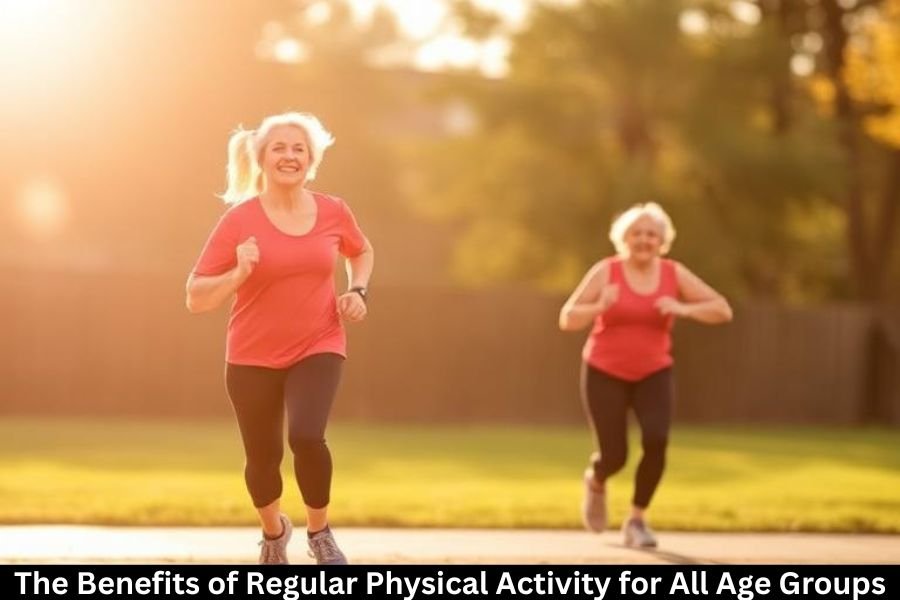
Physical activity is one of the simplest and most powerful habits for maintaining overall health and well-being. No matter your age, staying active plays a vital role in keeping the body strong, the mind sharp, and the spirit energized. From young children to older adults, regular physical activity offers lifelong benefits that go far beyond physical fitness.
Let’s explore how regular exercise positively impacts people at every stage of life.
What Is Regular Physical Activity?
Regular physical activity includes any movement that uses energy and engages muscles. This can range from walking, cycling, and swimming to dancing, playing sports, or practicing yoga. It doesn’t require intense workouts or gym memberships—consistent movement is what truly matters.
Health experts generally recommend at least 150 minutes of moderate physical activity per week for adults, along with age-appropriate activities for children and seniors.
Physical Activity and Overall Health
Regular exercise strengthens the heart, lungs, muscles, and bones. It improves circulation, supports immune function, and helps regulate blood sugar and cholesterol levels. Over time, these benefits reduce the risk of chronic conditions such as heart disease, diabetes, obesity, and certain cancers.
Physical activity is not just about adding years to your life—it’s about adding life to your years.
Benefits of Physical Activity for Children and Adolescents
Supports Healthy Growth and Development
For children, physical activity is essential for building strong bones, muscles, and joints. Active play supports healthy physical development and coordination.
Improves Mental and Emotional Well-Being
Exercise helps children manage emotions, reduce anxiety, and improve self-esteem. Physical activity also promotes better focus and academic performance.
Encourages Healthy Habits Early
Children who develop active habits early in life are more likely to stay active as adults, setting the foundation for lifelong health.
Benefits of Physical Activity for Adults
Enhances Physical Fitness and Strength
Regular exercise improves endurance, muscle tone, and flexibility. It helps adults stay energetic and capable of handling daily responsibilities.
Supports Weight Management
Physical activity helps burn calories, regulate metabolism, and maintain a healthy weight when combined with balanced nutrition.
Reduces Stress and Improves Mood
Exercise releases endorphins—often called “feel-good” hormones—that reduce stress and improve mood. It’s a natural and effective way to manage daily pressures.
Benefits of Physical Activity for Older Adults
Maintains Mobility and Independence
Staying active helps older adults maintain balance, coordination, and muscle strength, reducing the risk of falls and injuries.
Supports Bone and Joint Health
Weight-bearing and resistance exercises help prevent bone loss and manage joint stiffness, supporting conditions like arthritis.
Boosts Cognitive Function
Physical activity improves blood flow to the brain, supporting memory, concentration, and overall cognitive health as people age.
Mental Health Benefits Across All Ages
Regular physical activity benefits mental health at every stage of life. It helps reduce symptoms of anxiety, depression, and stress while improving sleep quality and self-confidence. Exercise also provides a sense of routine, purpose, and accomplishment.
Even short bouts of activity can make a noticeable difference in mental well-being.
Social Benefits of Staying Active
Many physical activities encourage social interaction, whether through team sports, fitness classes, or group walks. These social connections reduce feelings of loneliness and promote emotional well-being.
For children, social play builds communication skills. For adults and seniors, group activities foster community and belonging.
Physical Activity and Disease Prevention
Regular exercise lowers the risk of numerous chronic diseases, including:
- Heart disease and stroke
- Type 2 diabetes
- Obesity
- Osteoporosis
- Certain cancers
By improving cardiovascular health and reducing inflammation, physical activity acts as a powerful preventive tool.
Simple Ways to Stay Active at Any Age
Staying active doesn’t have to be complicated. Here are easy ways to incorporate movement into daily life:
- Take short walks throughout the day
- Use stairs instead of elevators
- Stretch in the morning or evening
- Engage in hobbies like gardening or dancing
- Participate in age-appropriate fitness programs
The key is consistency, not intensity.
Overcoming Common Barriers to Physical Activity
Many people feel they don’t have enough time or energy to exercise. However, even small amounts of activity count. Breaking exercise into short sessions, choosing enjoyable activities, and involving friends or family can help overcome these barriers.
Listening to your body and adapting activities to your abilities ensures safe and sustainable movement.
Creating a Lifelong Active Lifestyle
An active lifestyle is not about perfection—it’s about progress. Setting realistic goals, celebrating small achievements, and finding activities you enjoy make it easier to stay consistent.
Physical activity should feel like a reward, not a punishment.
Conclusion
The benefits of regular physical activity extend across all age groups, supporting physical health, mental well-being, and social connection. From childhood to older adulthood, staying active enhances quality of life and promotes independence and resilience. No matter where you are in life, it’s never too early—or too late—to start moving and enjoy the lifelong benefits of regular physical activity.
FAQs
1. How much physical activity is recommended for adults?
Adults should aim for at least 150 minutes of moderate-intensity activity per week.
2. Is physical activity safe for older adults?
Yes, when activities are age-appropriate and guided by medical advice, physical activity is highly beneficial for seniors.
3. Can children get enough exercise through play?
Absolutely. Active play is an excellent way for children to meet their physical activity needs.
4. What type of exercise is best for beginners?
Walking, stretching, swimming, and light strength training are great starting points.
5. Does physical activity improve mental health?
Yes, regular exercise helps reduce stress, anxiety, and depression while improving mood and sleep quality.