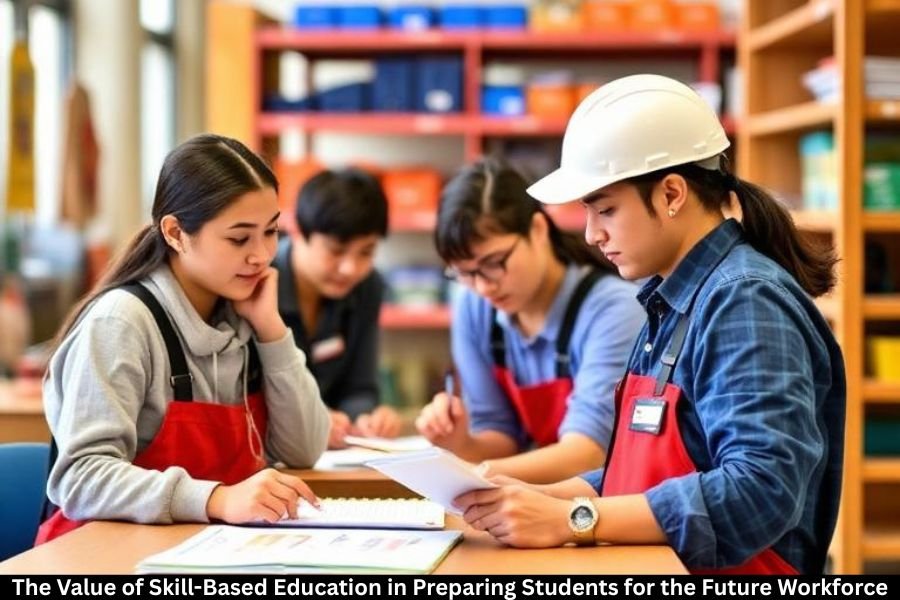
The world of work is changing faster than ever before. Jobs are evolving, industries are transforming, and the skills required today may look very different tomorrow. In this rapidly shifting landscape, skill-based education has emerged as a powerful approach to preparing students not just to get jobs—but to thrive in their careers.
Education Beyond Textbooks
Education is no longer just about memorizing facts or passing exams. It’s about applying knowledge in real-world situations. Skill-based education focuses on what students can do, not just what they know.
Why the Future Workforce Demands New Skills
Employers are looking for adaptable problem-solvers, effective communicators, and tech-savvy professionals. Degrees alone are no longer enough. Skills are the new currency of employability.
Understanding Skill-Based Education
What Is Skill-Based Education?
Skill-based education emphasizes the development of practical, job-relevant skills through hands-on learning. It prepares students to perform specific tasks and solve real problems in professional environments.
How It Differs From Traditional Academic Models
Traditional education often prioritizes theory and standardized testing. Skill-based learning shifts the focus to application, practice, and mastery.
Knowledge vs. Skills—Finding the Right Balance
Knowledge provides the foundation, but skills turn knowledge into action. The most effective education systems combine both.
The Changing Nature of the Workforce
Automation, AI, and Technological Disruption
Automation and artificial intelligence are reshaping industries. Routine tasks are being automated, while roles requiring creativity, analysis, and emotional intelligence are growing.
The Rise of the Gig and Remote Economy
Freelancing, remote work, and project-based roles are now mainstream. Workers must manage their time, communicate virtually, and continuously update their skills.
Jobs That Didn’t Exist a Decade Ago
Roles like data analysts, UX designers, and digital marketers highlight how quickly the job market evolves—and why adaptable skills matter.
Why Traditional Education Alone Is No Longer Enough
The Skills Gap Between Education and Employment
Many graduates leave school unprepared for workplace demands. Employers often report that new hires lack practical skills despite academic qualifications.
Employer Expectations in the Modern Job Market
Companies value critical thinking, collaboration, digital literacy, and problem-solving—skills best developed through hands-on learning.
Core Skills Needed for the Future Workforce
Technical and Digital Skills
Coding, data analysis, cybersecurity, and digital tools are essential across industries, not just in tech roles.
Soft Skills and Human-Centered Abilities
Communication, teamwork, leadership, and emotional intelligence are irreplaceable skills that machines can’t replicate.
Adaptability, Creativity, and Lifelong Learning
The ability to learn, unlearn, and relearn is perhaps the most valuable skill of all.
How Skill-Based Education Improves Employability
Job-Ready Graduates
Students graduate with practical experience, making them immediately valuable to employers.
Faster Transition From Classroom to Career
Skill-based programs reduce onboarding time because students already know how to perform essential tasks.
Confidence Through Competence
When students master real skills, confidence follows naturally.
The Role of Skill-Based Learning in Career Readiness
Practical, Hands-On Learning Experiences
Workshops, labs, and simulations allow students to practice skills in realistic settings.
Internships, Apprenticeships, and Real-World Projects
These experiences bridge the gap between education and employment.
Skill-Based Education Across Different Levels
Schools and Early Skill Development
Introducing skills like communication, problem-solving, and creativity early builds a strong foundation.
Higher Education and Vocational Training
Colleges and technical institutions play a critical role in advanced skill development.
Upskilling and Reskilling for Adult Learners
Skill-based education supports lifelong learning in a changing job market.
Technology as a Driver of Skill-Based Education
Online Learning Platforms and Micro-Credentials
Short, focused courses allow learners to acquire specific skills quickly.
Simulations, Labs, and Experiential Learning
Technology creates safe environments for practice and experimentation.
Blended Learning Models
Combining online and in-person learning maximizes flexibility and effectiveness.
The Role of Educators in Skill-Based Education
Teachers as Mentors and Coaches
Educators guide students, provide feedback, and encourage growth rather than simply delivering lectures.
Curriculum Design for Skill Development
Well-designed curricula align learning outcomes with real-world applications.
Industry and Education Partnerships
Aligning Curriculum With Workforce Needs
Collaboration ensures students learn relevant, in-demand skills.
Employer Involvement in Training Programs
Guest lectures, mentorships, and co-designed courses strengthen job readiness.
Benefits of Skill-Based Education for Students
Increased Engagement and Motivation
Students are more engaged when they see the practical value of what they’re learning.
Career Clarity and Direction
Skill exploration helps students make informed career choices.
Financial and Professional Stability
Job-ready skills lead to better employment opportunities and income stability.
Challenges in Implementing Skill-Based Education
Resource and Infrastructure Limitations
Hands-on learning requires investment in tools, training, and facilities.
Assessment and Standardization Issues
Measuring skills can be more complex than grading exams.
Overcoming Barriers to Skill-Based Education
Policy Support and Educational Reform
Government and institutional policies must support innovation.
Teacher Training and Institutional Readiness
Educators need ongoing training to deliver effective skill-based programs.
The Future of Skill-Based Education
Lifelong Learning as the New Normal
Continuous skill development will define successful careers.
Preparing Students for Jobs of Tomorrow
Skill-based education equips students to adapt, grow, and lead in uncertain futures.
Conclusion
Skill-based education is no longer optional—it’s essential. As the workforce evolves, students must be equipped with practical, adaptable skills that go beyond academic knowledge. By focusing on real-world competencies, education systems can prepare learners not just to find jobs, but to build meaningful, resilient careers in the future workforce.
Frequently Asked Questions (FAQs)
1. What is skill-based education?
It’s an approach that focuses on developing practical, job-ready skills through hands-on learning.
2. Why is skill-based education important for the future workforce?
Because it aligns education with real workplace demands and evolving job roles.
3. How does skill-based education improve employability?
It prepares students with relevant skills, experience, and confidence.
4. Can skill-based education work alongside traditional education?
Yes, combining theory and skills creates well-rounded learners.
5. Is skill-based education only for technical careers?
No, it benefits all fields by developing transferable skills like communication and problem-solving.