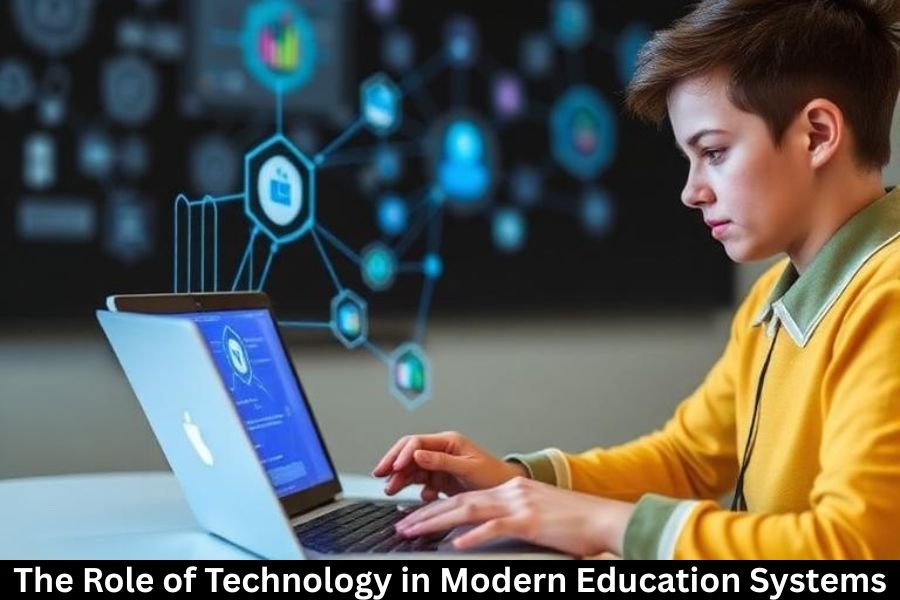
Education has transformed dramatically over the past few decades. Gone are the days of chalkboards and textbooks being the only tools in a classroom. Today, technology plays a pivotal role in shaping modern education systems, offering innovative ways to learn, teach, and collaborate.
The integration of technology in education isn’t just a trend—it’s a necessity. Students today require digital literacy, access to global knowledge, and the ability to learn independently, all of which technology facilitates.
Digital Classrooms and E-Learning Platforms
Virtual Learning Environments
Virtual learning environments (VLEs) allow students and teachers to interact remotely. Platforms like Google Classroom, Moodle, and Canvas provide structured access to resources, assignments, and communication tools.
Advantages of Online Education
E-learning breaks the barriers of location and time. Students can access lessons at their convenience, while teachers can reach a broader audience.
Accessibility and Flexibility
Technology enables students with varying schedules and needs to continue learning without interruptions, making education more inclusive.
Interactive Learning Tools
Smart Boards and Digital Whiteboards
Interactive boards replace traditional blackboards, making lessons visually engaging. Teachers can incorporate videos, simulations, and interactive quizzes to enhance understanding.
Gamification in Learning
Incorporating game elements into education motivates students, encourages competition, and reinforces learning through fun and engagement.
Engaging Students Through Technology
Technology-driven tools help maintain attention, improve retention, and make learning an enjoyable experience.
Personalized Learning Experiences
Adaptive Learning Software
Adaptive software customizes learning content based on each student’s strengths and weaknesses, ensuring they progress at their own pace.
Tracking Student Progress and Performance
Digital platforms provide detailed analytics, helping educators identify gaps and tailor instruction effectively.
Catering to Individual Learning Styles
Technology supports various learning styles—visual, auditory, and kinesthetic—ensuring no student is left behind.
Collaboration and Communication
Online Discussion Forums and Platforms
Digital platforms allow students to discuss topics, ask questions, and share ideas beyond the classroom walls.
Teacher-Student Interaction in Digital Settings
Real-time communication tools, like video calls and chat functions, maintain strong teacher-student engagement even remotely.
Global Learning Communities
Students can collaborate across borders, gaining exposure to diverse perspectives and enhancing cultural understanding.
Artificial Intelligence in Education
AI Tutors and Chatbots
AI-powered tutors provide instant answers, personalized guidance, and adaptive learning experiences, supplementing traditional teaching.
Automating Administrative Tasks
AI can handle grading, attendance, and scheduling, freeing teachers to focus on teaching and mentoring.
Data-Driven Insights for Educators
AI analyzes student data to identify learning patterns, enabling educators to make informed instructional decisions.
Technology Supporting Special Education
Assistive Devices and Software
Tools like speech-to-text, screen readers, and adaptive learning apps empower students with disabilities to learn effectively.
Inclusive Learning Opportunities
Technology levels the playing field, providing opportunities for students with special needs to participate fully in educational activities.
Breaking Barriers for Students with Disabilities
Assistive technology ensures accessibility, fostering confidence and independence in learners.
Online Assessment and Feedback
Digital Exams and Quizzes
Technology enables secure, efficient online testing with automated grading systems.
Instant Feedback and Analytics
Students receive immediate feedback, helping them understand mistakes and improve performance faster.
Continuous Improvement in Learning Outcomes
Real-time insights allow educators to adjust strategies and support struggling students promptly.
Cloud Computing in Education
Storing and Accessing Educational Resources
Cloud platforms provide centralized access to learning materials, reducing dependency on physical resources.
Collaboration Through Cloud Tools
Students and teachers can work together on projects in real-time, regardless of location.
Cost Efficiency and Scalability
Cloud solutions are cost-effective and scalable, accommodating growing educational needs without major infrastructure investments.
Challenges of Integrating Technology in Education
Digital Divide and Accessibility Issues
Not all students have equal access to devices and high-speed internet, creating disparities in learning opportunities.
Screen Time and Student Engagement
Excessive screen time can affect attention spans and physical health, requiring balanced use of technology.
Teacher Training and Technological Literacy
Educators must be trained to use technology effectively to avoid underutilization of digital tools.
Preparing Students for a Tech-Driven World
Developing Digital Literacy Skills
Students need skills to navigate digital tools safely and effectively, including online research, communication, and cybersecurity awareness.
Encouraging Critical Thinking and Problem Solving
Technology should enhance, not replace, cognitive skills. Critical thinking is essential for students to interpret information intelligently.
Lifelong Learning in a Digital Era
Preparing students to adapt to evolving technologies ensures long-term career success and adaptability.
Future Trends in Educational Technology
Virtual Reality (VR) and Augmented Reality (AR)
Immersive VR and AR experiences allow students to explore subjects interactively, from historical events to complex scientific concepts.
Blockchain for Credentialing and Certificates
Blockchain ensures secure, verifiable academic records, making credentialing more reliable and transparent.
AI-Driven Personalized Curriculum
AI will increasingly design tailored curricula based on each student’s abilities, interests, and learning pace.
Conclusion
Technology is reshaping education at an unprecedented pace. From digital classrooms and personalized learning to AI-driven insights and inclusive tools, technology enhances both teaching and learning experiences. While challenges exist, the benefits are undeniable—technology prepares students for a digitally connected world, promotes accessibility, and fosters innovation in education systems globally.
Frequently Asked Questions (FAQs)
1. How has technology changed traditional classrooms?
Technology has made learning more interactive, accessible, and personalized, enhancing student engagement and understanding.
2. What are some popular educational technologies?
CRMs, e-learning platforms, adaptive software, VR/AR tools, and cloud-based collaboration tools are widely used.
3. Can technology improve learning outcomes?
Yes, technology supports personalized learning, instant feedback, and data-driven insights that improve student performance.
4. What challenges do schools face in integrating technology?
Challenges include unequal access to devices, lack of teacher training, screen time concerns, and budget constraints.
5. Is technology essential for modern education?
While traditional methods remain valuable, technology is increasingly essential for engagement, accessibility, and preparing students for the future.