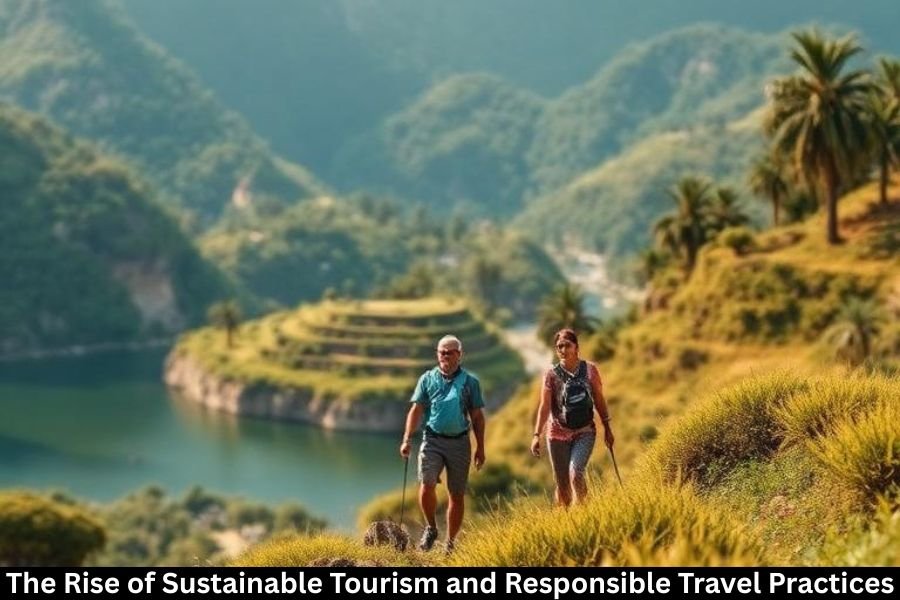
Travel isn’t just about ticking destinations off a bucket list anymore. Today’s travelers want more. They want meaning, impact, and connection. As climate change accelerates, cultures face erosion, and popular destinations struggle with over-tourism, the travel industry is undergoing a quiet but powerful transformation. This shift has a name: sustainable tourism and responsible travel.
Think of it like upgrading from fast fashion to timeless, ethical clothing. The goal isn’t to stop traveling—it’s to travel better. Sustainable tourism encourages us to explore the world while protecting it, ensuring that future generations can enjoy the same experiences we do today.
Understanding Sustainable Tourism
What Is Sustainable Tourism?
Sustainable tourism is all about balance. It focuses on minimizing negative environmental, social, and economic impacts while maximizing the benefits for local communities and ecosystems. In simple terms, it’s tourism that doesn’t leave scars behind.
Instead of exploiting destinations, sustainable tourism nurtures them. It asks one simple question: How can we enjoy this place without harming it?
The Core Principles of Sustainable Travel
Environmental Responsibility
This principle emphasizes protecting natural resources. It includes reducing carbon emissions, conserving wildlife, and managing waste responsibly. From eco-lodges to plastic-free travel kits, every small effort adds up.
Social and Cultural Responsibility
Tourism should uplift communities, not disrupt them. Respecting local customs, preserving heritage, and avoiding cultural exploitation are at the heart of this principle.
Economic Sustainability
Money spent by travelers should stay within the community. Supporting local businesses, hiring local guides, and choosing ethically run accommodations help ensure long-term economic benefits.
What Is Responsible Travel?
Responsible Travel vs. Sustainable Tourism
While sustainable tourism focuses on systems and long-term impact, responsible travel zooms in on individual behavior. It’s about the choices you make as a traveler—where you stay, how you behave, and what you support.
If sustainable tourism is the roadmap, responsible travel is how you drive.
Why Responsible Travel Is Gaining Attention
Travelers today are more informed and more conscious. Social media, documentaries, and firsthand experiences have opened our eyes to the hidden costs of tourism. As a result, people want their journeys to align with their values.
Key Drivers Behind the Rise of Sustainable Tourism
Climate Change Awareness
Flights, cruises, and hotels contribute significantly to global emissions. As climate concerns grow, travelers are rethinking how often and how far they travel—and how they can offset their impact.
Over-Tourism and Its Consequences
Cities like Venice and Barcelona have felt the strain of excessive tourism. Overcrowding damages infrastructure, drives up living costs, and diminishes the local quality of life.
Changing Traveler Mindsets
Modern travelers crave experiences, not souvenirs. They value authenticity over luxury and purpose over indulgence.
Government Policies and Global Initiatives
From carbon taxes to conservation programs, governments and international organizations are pushing sustainability to the forefront of tourism planning.
The Environmental Impact of Traditional Tourism
Carbon Footprint of Travel
Air travel alone accounts for a large portion of tourism-related emissions. Add energy-hungry resorts and cruise ships, and the footprint grows quickly.
Wildlife Disruption and Habitat Loss
Unchecked tourism can destroy fragile ecosystems. Coral reefs, rainforests, and wildlife habitats often pay the price.
Pollution and Waste Management Issues
Single-use plastics, food waste, and untreated sewage are common problems in high-traffic destinations.
How Sustainable Tourism Protects the Environment
Eco-Friendly Accommodations
Green hotels use renewable energy, water-saving systems, and sustainable materials. Many even grow their own food or support local farms.
Renewable Energy in Tourism
Solar-powered lodges, electric transport, and energy-efficient infrastructure are becoming more common worldwide.
Conservation-Focused Travel Experiences
Activities like wildlife safaris, marine conservation tours, and national park visits help fund preservation efforts.
The Social and Cultural Benefits of Responsible Travel
Supporting Local Communities
Responsible travelers spend money where it matters most—local markets, family-owned restaurants, and community-run tours.
Preserving Cultural Heritage
Respectful tourism helps keep traditions alive, from indigenous crafts to regional festivals.
Encouraging Authentic Cultural Exchange
Meaningful interactions replace surface-level sightseeing, creating memories that last longer than photos.
Economic Advantages of Sustainable Tourism
Job Creation for Local Populations
Sustainable tourism creates stable jobs in guiding, hospitality, conservation, and education.
Fair Wages and Ethical Business Practices
Ethical tourism ensures workers are paid fairly and work in safe conditions.
Long-Term Economic Stability
Unlike mass tourism booms that fade, sustainable tourism builds resilience and steady growth.
Popular Forms of Sustainable Tourism
Eco-Tourism
Nature-focused travel that supports conservation and education.
Community-Based Tourism
Experiences designed and managed by local communities.
Slow Travel
Fewer destinations, longer stays, deeper connections.
Volunteer Tourism (Done Right)
Skill-based volunteering that truly benefits communities.
The Role of Technology in Sustainable Travel
Digital Tools for Eco-Conscious Planning
Apps now help travelers track carbon footprints, find green hotels, and choose ethical tours.
Smart Destinations and Data-Driven Sustainability
Cities use data to manage crowds, reduce waste, and improve visitor experiences.
How Travelers Can Practice Responsible Tourism
Choosing Sustainable Transportation
Opt for trains, buses, or direct flights when possible.
Supporting Local Businesses
Eat local, shop local, and hire local guides.
Reducing Waste While Traveling
Carry reusable bottles, bags, and utensils.
Respecting Local Cultures and Traditions
Learn basic customs and always ask before photographing people.
How Businesses Are Adopting Sustainable Tourism Practices
Green Certifications and Standards
Labels like Green Globe and LEED help travelers identify responsible businesses.
Corporate Social Responsibility in Travel
Tour operators increasingly invest in community projects and conservation.
Challenges Facing Sustainable Tourism
Greenwashing Concerns
Not every “eco” label is genuine. Transparency is key.
Accessibility and Cost Barriers
Sustainable options can be more expensive upfront, though they often deliver better value long-term.
Balancing Growth and Conservation
Finding the sweet spot between economic benefit and environmental protection remains a challenge.
The Future of Sustainable Tourism
Emerging Trends
Carbon-neutral travel, regenerative tourism, and virtual experiences are on the rise.
The Role of Global Collaboration
Governments, businesses, and travelers must work together to create lasting change.
Conclusion: Traveling With Purpose
Sustainable tourism and responsible travel aren’t trends—they’re necessities. Every trip we take leaves a footprint, but we get to decide what kind. By making thoughtful choices, we can turn travel into a force for good, protecting the planet while enriching our lives. The future of travel isn’t about going farther; it’s about going wiser.
Frequently Asked Questions (FAQs)
1. What is the main goal of sustainable tourism?
The goal is to minimize negative impacts while maximizing benefits for the environment, local communities, and economies.
2. How can I tell if a hotel is truly eco-friendly?
Look for recognized certifications, transparent policies, and measurable sustainability efforts.
3. Is sustainable travel more expensive?
Not always. While some options cost more upfront, they often provide better quality and long-term value.
4. Can responsible travel really make a difference?
Absolutely. Collective small actions by travelers can create significant positive change.
5. What is the easiest way to start traveling responsibly?
Support local businesses, reduce waste, and respect local cultures wherever you go.